By Judy Batalion - Lilith
April 7, 2026
Just weeks after submitting my laboriously-conceived dissertation on women’s collaborative art stemming from California in the 1970s, I stumbled on my next obsession and a new understanding of feminist history–one that would take me back to pre-war Poland.

By Judy Batalion - Jewish Book Council
March 30, 2026
There was a problem. The ghetto bench law — the rule forcing Jewish students to sit in a segregated bench in university classrooms that was increasingly popular in Poland in the 1930s — was instituted at the University of Warsaw in the fall of 1937. But in my newest draft of my historical novel, I’d shifted parts of the story around, and the ghetto benches were suddenly happening in the spring. (Lesson learned: always write fiction in a place with limited seasons so you can chop and change bits without having to endlessly rewrite weather.) But could I morally alter the date of this discriminatory rule’s implementation from fall 1937 to spring 1938? I was riddled with worry.
Read MoreReview by Judy Batalion - The Washington Post
November 8, 2022
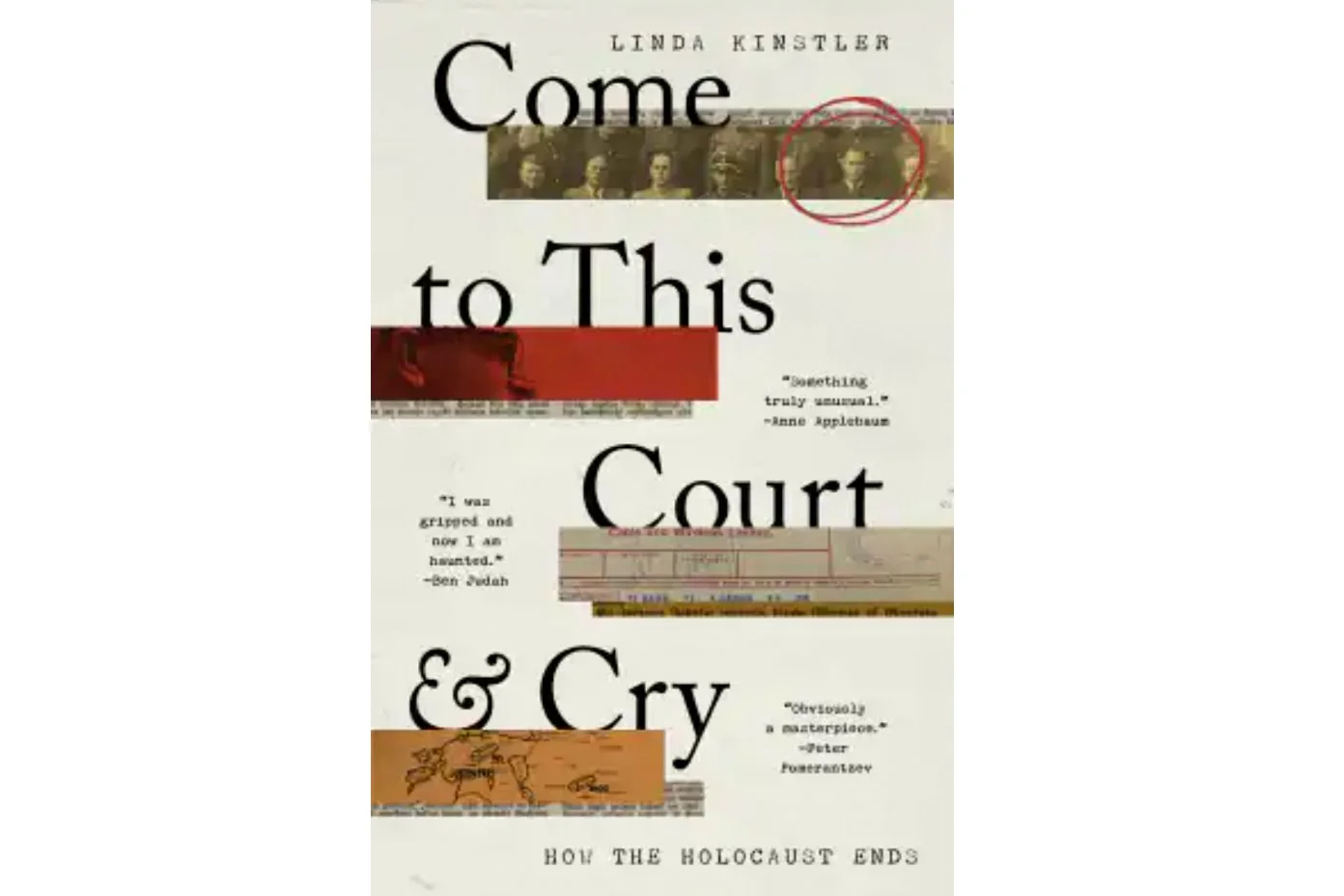
In ‘Come to This Court and Cry,’ Linda Kinstler examines how stories of the Holocaust are passed down and altered
Read MoreBy Judy Batalion - TIME Magazine
April 8, 2021
On Yom Hashoah, we light memorial candles and mourn the dead. But which narratives of the Holocaust do we recall? Why have certain stories predominated our understanding while others have seemingly vanished?
Read MoreJudy Batalion - The Canadian Jewish News
August 29, 2017
Nearly 10 years ago, I honeymooned in Japan, where my husband and I marvelled less at this grand new stage of our lives, and more at the incredible presentation of the food (not to mention the prices).
Read More